

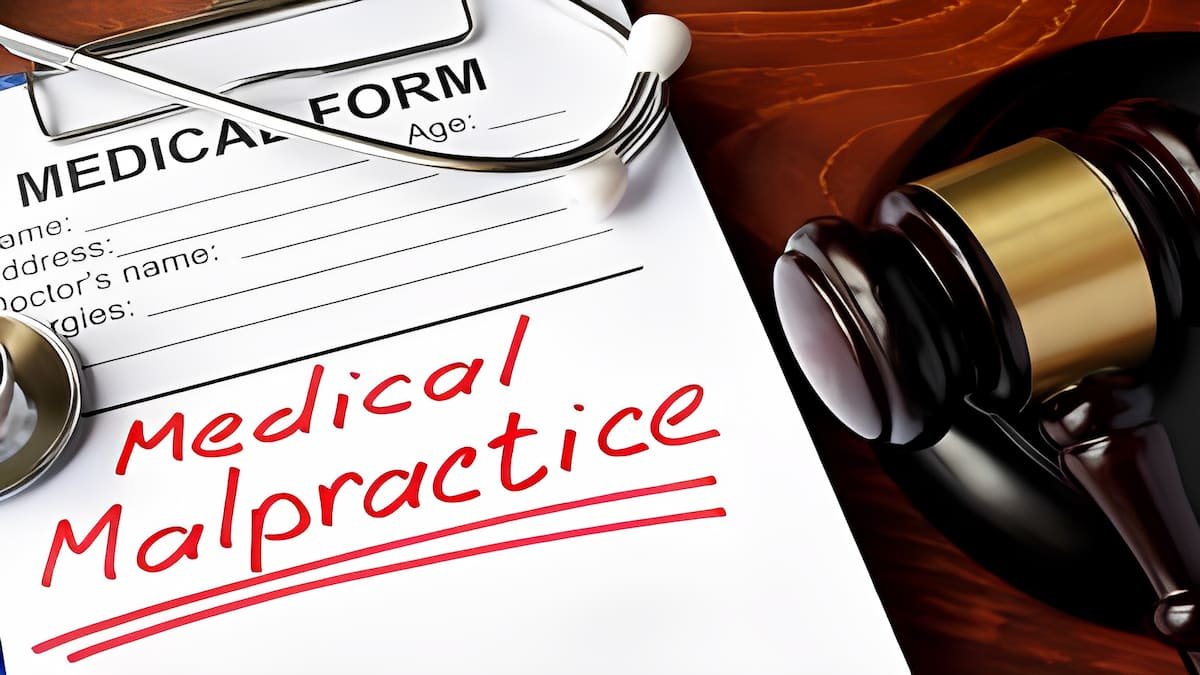
New Jersey is a state with a complex and highly regulated healthcare landscape, home to a diverse population that relies on a wide network of hospitals, clinics, and medical professionals. The state has established specific legal frameworks that govern patients’ rights and medical accountability, creating an environment where healthcare providers are held to clearly defined standards. Residents facing potential medical negligence in New Jersey often encounter situations where proving a claim requires careful navigation of both medical and legal systems. Understanding the nuances of the state’s healthcare regulations, as well as how local courts interpret professional responsibility, is essential for anyone seeking justice after an injury caused by substandard medical care.
When pursuing medical malpractice claims in New Jersey, attorneys depend on a wide range of evidence to build a compelling case. Medical records provide a foundational timeline of care, while expert testimony clarifies whether actions met accepted standards. Visual evidence, statements from patients, and internal hospital policies all contribute to painting a full picture of potential negligence. By meticulously compiling and analyzing these materials, law firms like O’Connor, Parsons, Lane & Noble are able to identify where errors occurred and demonstrate the direct impact on the patient, ensuring that claims are presented with clarity and credibility before the courts.
Medical Records
Thorough medical documentation is typically the foundation of the case. Attorneys comb through histories, treatments, and test results for inconsistencies and mistakes. These records help verify the time and location of the treatment. If there are discrepancies or missing data, it may be due to errors or omissions by the medical staff. Accurate records are significant for creating a timeline of the injury.
Expert Testimony
Expert witnesses offer important insights in claims involving medical malpractice. These professionals examine the facts and describe what a reasonable physician would have done in similar circumstances. Their experience allows jurors to visualize how a reasonable healthcare provider could have prevented the harm. An expert will be able to clarify whether the care that was administered adhered to accepted standards of care.
Photographs and Visual Evidence
Photographic evidence of injuries or procedural mistakes can also carry a lot of weight in malpractice cases. These images may include surgical results, skin blemishes, or medical instruments left inside a patient. Lawyers use visual aids to help juries connect medical records and testimony to actual results. This documentation often provides a clearer picture than written descriptions alone.
Witness Statements and Patient Testimony
Statements from observers of the care, such as patients and family members, provide context to the case. These accounts may describe symptoms, conversations with staff, or changes since treatment. Testimony from a patient can describe the distress, pain, or suffering resulting from the alleged negligent conduct. Attorneys use these narratives to demonstrate how the negligent actions affected the individual’s life.
Hospital Policies and Procedure Manuals
Lawyers sometimes review hospital or clinic policies to verify if staff adhered to the protocols. These documents establish the expected processes for patient care, medication administration, and emergency response. If these guidelines are not followed, it can indicate negligence. Showing a departure from accepted procedures strengthens the argument that harm could have been prevented.
Timeline and Chronological Summaries
Creating a timeline of events provides structure to the evidence. Lawyers use appointment logs, test results, and treatment notes to put together a timeline. They outline the steps taken and identify where delays, omissions, or incorrect actions occurred. Timelines can reveal patterns that one single document may not be able to provide.
Laboratory Results and Diagnostic Reports
Test results and diagnostic images provide objective evidence of a patient’s diagnosis. Attorneys examine these findings to compare expected outcomes with what actually happened. Abnormal results, overlooked findings, or misinterpreted scans can indicate errors in judgment or reporting. These documents can support assertions that earlier intervention or different decisions would have resulted in a better outcome.
Conclusion
Proving medical malpractice requires evidence, clear presentation, and input from experts. Every piece of evidence and testimony plays a crucial role in building a case. By understanding and organizing these materials, lawyers help courts see the full picture and ensure justice for those harmed by negligent care.